 Guadeloupe .net
Cyclone Guadeloupe
In the archives there are traces of cyclones that caused damage on the island; the earliest accounts date from 1635, but it was in 1656 that an account relates a strong storm over the bay of Pointe-à-Pitre, which is said to have led to the destruction of several ships. In the 20th century, a terrible cyclone was remembered for its deadly nature; it arrived in 1928 and is said to have caused the deaths of nearly 1,200 people in the Pointe-à-Pitre area, and it was classified as a category 4. The strongest hurricane and the most recent one passed over the island in 2009: it was Cyclone Erika, which crossed the island causing heavy rain.
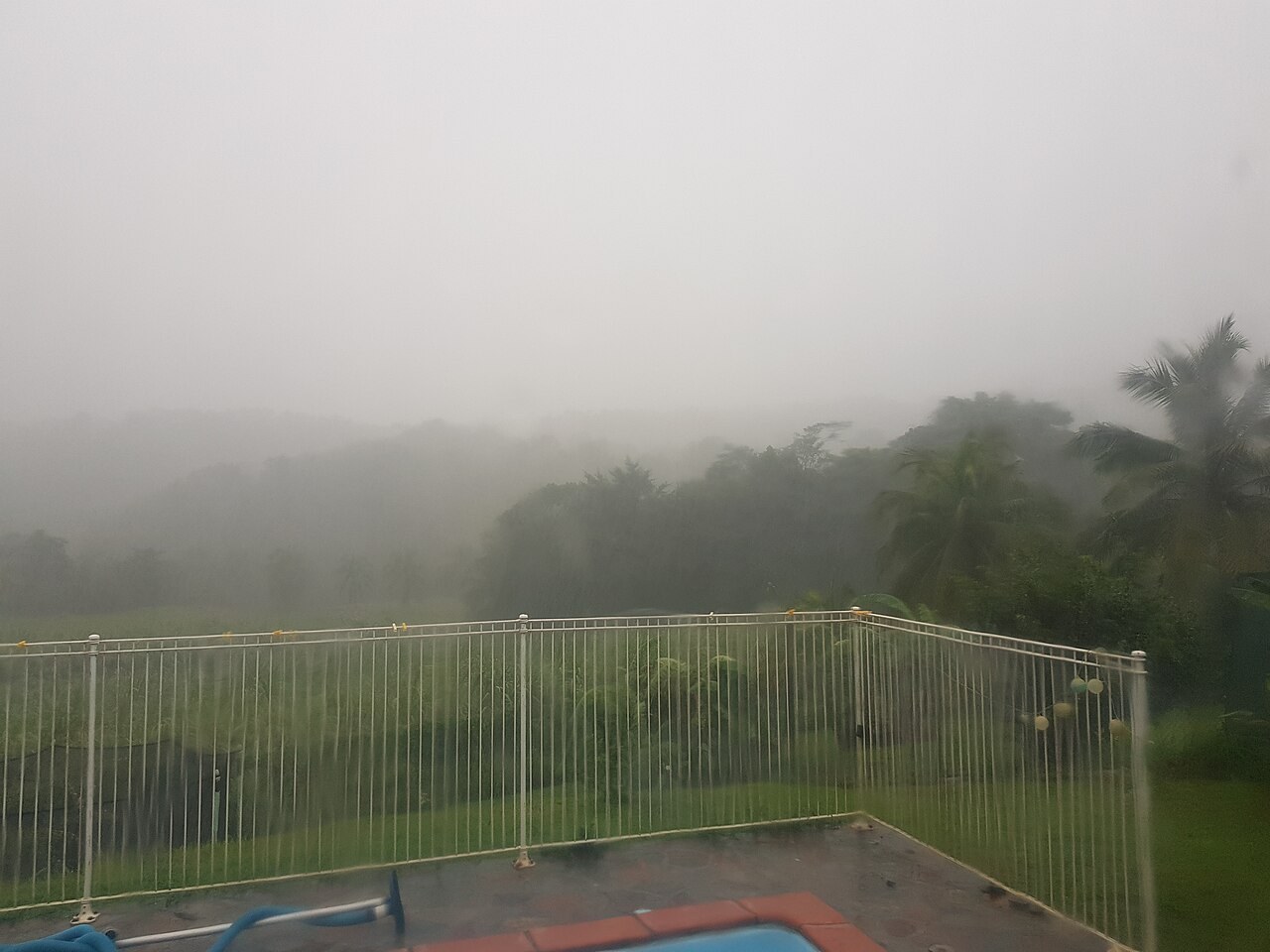
The cyclone phenomenon is characterized by heavy rain that can cause flooding and make rivers overflow, by violent winds and by a cyclone tide. The period from July to October is when the risk of cyclones passing is highest, and the habit has been adopted of giving them nice names. Cyclones form every year, and it is chance that determines whether some islands are hit and others are not. Statistically speaking, Guadeloupe should be hit once every 8 years by a cyclone, with intensities that are of course variable.
A cyclone generally follows a precise path, since it never passes twice over the same place; in the Antilles, cyclones follow a path toward the northeast, which takes them back up toward the United States. Contrary to a common belief, it is not the winds that cause the most damage but the rain; often violent, it can cause real devastation on roads and houses, and also by causing rivers to rise. It is therefore important to prepare by training the population of Guadeloupe to react in the best possible way.